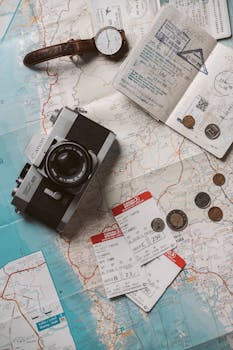
Traveling is one of life’s greatest joys, offering a chance to explore new cultures, taste diverse cuisines, and meet fascinating people. However, to make the most of your journeys, having proper travel resources at hand is essential. Whether you are planning a weekend getaway or a month-long adventure, understanding how to build effective travel resources can significantly enhance your experience.
Modern travelers benefit from a plethora of tools, apps, and websites, all aimed at simplifying the travel planning process. The right resources help you discover the best destinations, find budget-friendly accommodations, and navigate through unfamiliar cities more easily. In this article, we’ll explore how to create and utilize travel resources to ensure a smooth travel experience.
By the end of this guide, you’ll have a comprehensive understanding of how to build your travel toolkit. If you’re ready to embark on your next adventure, let’s dive right in and explore the essential steps!
Identifying Your Travel Needs
Before building travel resources, it’s important to assess your travel needs. Understanding what type of traveler you are allows for tailored resource selection. Consider factors such as budget, destination preferences, and travel companions.
Traveling solo differs greatly from joining family or friends. Thus, your resources might vary depending on your travel style. Additionally, are you a luxury traveler or a budget seeker? Identify these aspects early on for effective planning.
Another critical factor is your destination. Different countries and regions require varying levels of preparation, such as visas or vaccinations. Your travel resources should cater specifically to these requirements.
Additionally, think about your interests. Are you passionate about food, history, or adventure sports? Tailoring your resources to align with your passions will enrich your travel experience.
Ultimately, understanding your travel needs will help you build customized resources. This foundational step sets you up for a successful and enjoyable journey.
Utilizing Travel Apps
In today’s digital age, travel apps are indispensable tools. They offer everything from itinerary management to local recommendations. Therefore, choosing the right apps is crucial for efficient planning.
Popular travel apps like TripIt or Google Maps streamline itinerary organization and navigation. These platforms can sync with your calendar, allowing for seamless travel management. This can save you time and reduce stress during your trip.
Moreover, apps such as Airbnb and Booking.com provide various accommodation options. You can filter searches based on price and amenities, making it easier to find your ideal lodging.
For dining, apps like Yelp or TripAdvisor help discover local restaurants. User reviews and ratings guide you toward the best culinary experiences in the area, ensuring you don’t miss out on local flavors.
Lastly, currency converters and language translators like XE Currency and Google Translate are invaluable. They help navigate finances and communication barriers, enhancing your overall travel experience.
Building a Travel Budget
A well-thought-out travel budget is essential for any trip. Assessing your financial situation allows you to plan realistic expectations and avoid overspending. Start by determining your total budget.
Break down your budget into categories such as transportation, accommodation, food, and activities. This ensures you allocate funds appropriately and allows for adjustments where necessary. It’s wise to set aside a portion for unexpected expenses.
When planning transportation, consider costs for flights, rental cars, and public transport. Compare prices across different platforms to secure the best deals, minimizing travel costs.
Accommodations often take up a significant part of your budget. Evaluate various options, from luxury hotels to budget hostels or vacation rentals. Be flexible with dates for better pricing.
Finally, evaluate your daily expenses. This includes meals, attractions, and any activities you want to partake in. Having a clear budget prevents overspending and ensures a financially manageable trip.
Creating a Travel Checklist
An efficient travel checklist helps ensure you pack all necessary items. Customizing your list based on destination and duration is essential for organized packing. Consider creating categories like documents, clothing, and gadgets.
Start with important documents like passports, visas, and insurance. Ensuring you have these on hand prevents any hassles upon arrival. Review their expiration dates well in advance.
Next, focus on clothing appropriate for the weather and activities at your destination. Layering clothing is often a wise choice. It allows you to adjust to temperature changes during your travels.
Don’t forget to include travel essentials such as chargers, headphones, and a first-aid kit. Technology plays a major role in travel nowadays, and keeping devices charged is crucial.
Finally, make your checklist easily accessible. Utilize digital notes or a printed version, ensuring you can check items off before you leave. This will make your packing experience more efficient.
Researching Destinations
Thorough research is key to successful travel planning. Understanding your destination’s culture, climate, and attractions enables you to prepare adequately. Begin by selecting your top destinations and explore them in depth.
Identify local customs and etiquette. Understanding cultural norms can significantly enhance your travel experience by showing respect for the local population. This may involve learning a few basic phrases in the local language.
Research the climate to pack appropriately. Different seasons may require entirely different wardrobes. Knowing what to expect weather-wise prevents discomfort during your trip.
Make a list of must-see attractions and activities. This provides structure for your itinerary while ensuring you experience the highlights of your destination. Balance your itinerary with relaxation time and exploration.
Lastly, consider safety tips for your chosen destination. Check travel advisories and read local news. Awareness helps prevent potential issues, ensuring you have a safe travel experience.
Networking with Other Travelers
Connecting with fellow travelers is a valuable resource for building your own travel toolkit. Networking offers insight, tips, and experiences that can enhance your travels exponentially. In today’s digital environment, social media platforms are great places to connect.
Join travel groups on platforms such as Facebook or Reddit. These communities often share advice, itineraries, and recommendations. Engaging in conversations can reveal hidden gems at your destination.
Attending travel meetups or events can also offer networking opportunities. These gatherings allow you to connect with like-minded individuals who share similar interests in travel.
Local travel bloggers often provide valuable insights and recommendations. Consider following them on social media or subscribing to their blogs. Their firsthand experiences often lead to unique discoveries.
Finally, don’t hesitate to ask locals for suggestions when you arrive. Often, they can provide recommendations that are not found online. Engaging with locals can enrich your travel experience.
Conclusion
Building effective travel resources requires thoughtful planning and research. By identifying your travel needs, utilizing apps, creating budgets, and conducting thorough research, you can enhance your travel experience significantly.
Establishing connections with other travelers further enriches your journey. Ultimately, being prepared allows you to embrace adventure while minimizing stress. Equipped with these tools, you are ready for your next exciting adventure.
Embrace the spirit of exploration as you set out to create unforgettable memories. Happy travels!